
Female Genital Mutilation/Cutting Prevention and Support


SWIFT (Supporting Workers in FGM/C Training) is a national initiative led by MCWH that supports health workers across Australia to provide culturally safe, trauma-informed care for women and girls who have experienced Female Genital Mutilation/Cutting (FGM/C).
Funded by the Australian Government Department of Health and Aged Care, SWIFT strengthens the capacity of health professionals through specialised training, practical resources and a national Community of Practice. By connecting health workers across disciplines and regions, the program supports a more consistent, informed and culturally sensitive approach to preventing and responding to FGM/C.
Connecting health workers across Australia
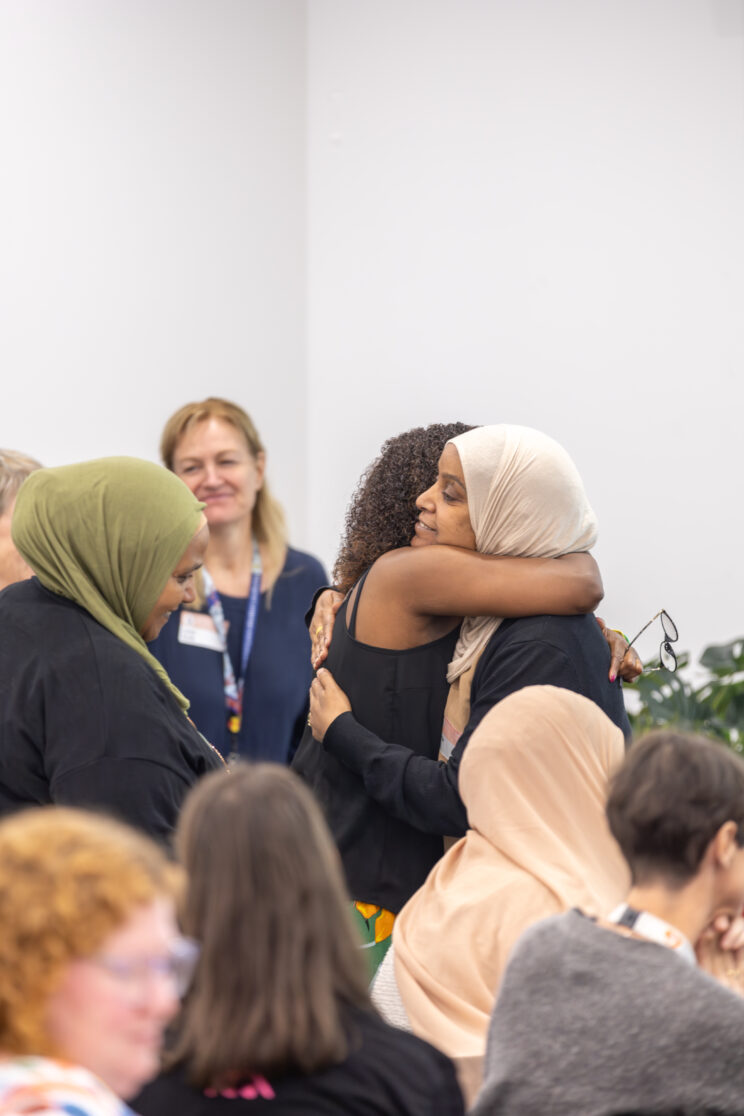
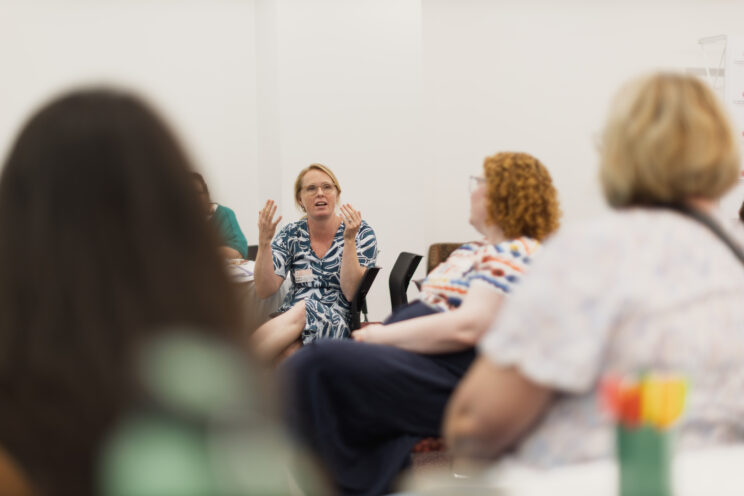
A key part of SWIFT is the national Community of Practice, which brings together health professionals committed to improving outcomes for women and girls who have experienced FGM/C or are at risk of experiencing FGM/C.
The Community of Practice connects GPs, midwives, obstetricians and gynaecologists, mental health practitioners, bilingual workers and other health professionals to share knowledge, learn from each other’s experiences and strengthen responses across the healthcare system.
Through this national network, members access up-to-date clinical and cultural information, practical resources and opportunities to contribute to improving care for women and girls who have experienced FGM/C.
Building knowledge through resources and training
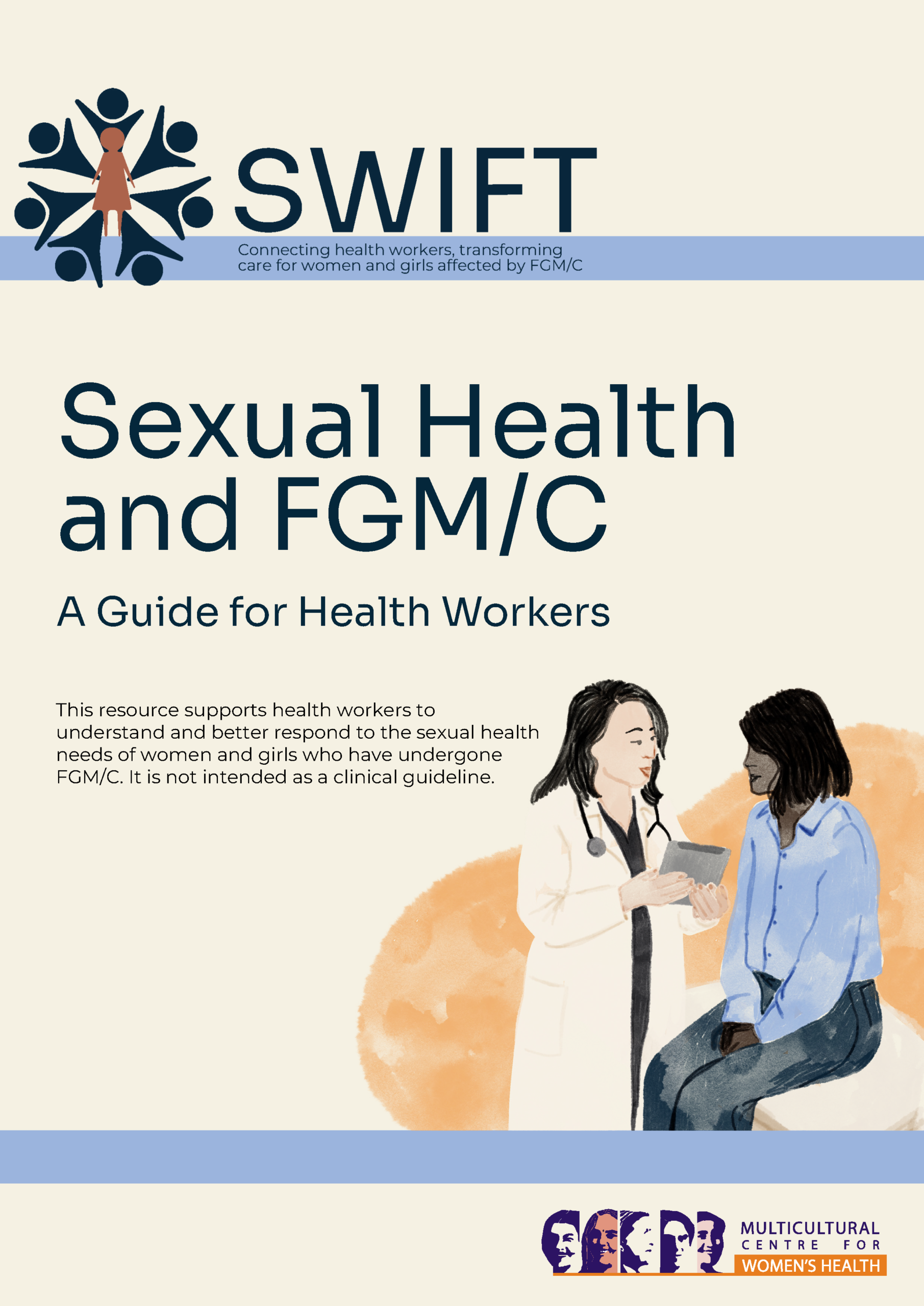
MCWH developed Sexual Health and FGM/C: A guide for health workers to support practitioners to better understand and respond to the sexual health needs of women and girls who have experienced FGM/C. The guide provides practical strategies for creating safe, respectful and trauma-informed conversations about sex, intimacy and support pathways, while emphasising person-centred care, cultural understanding and women’s autonomy.
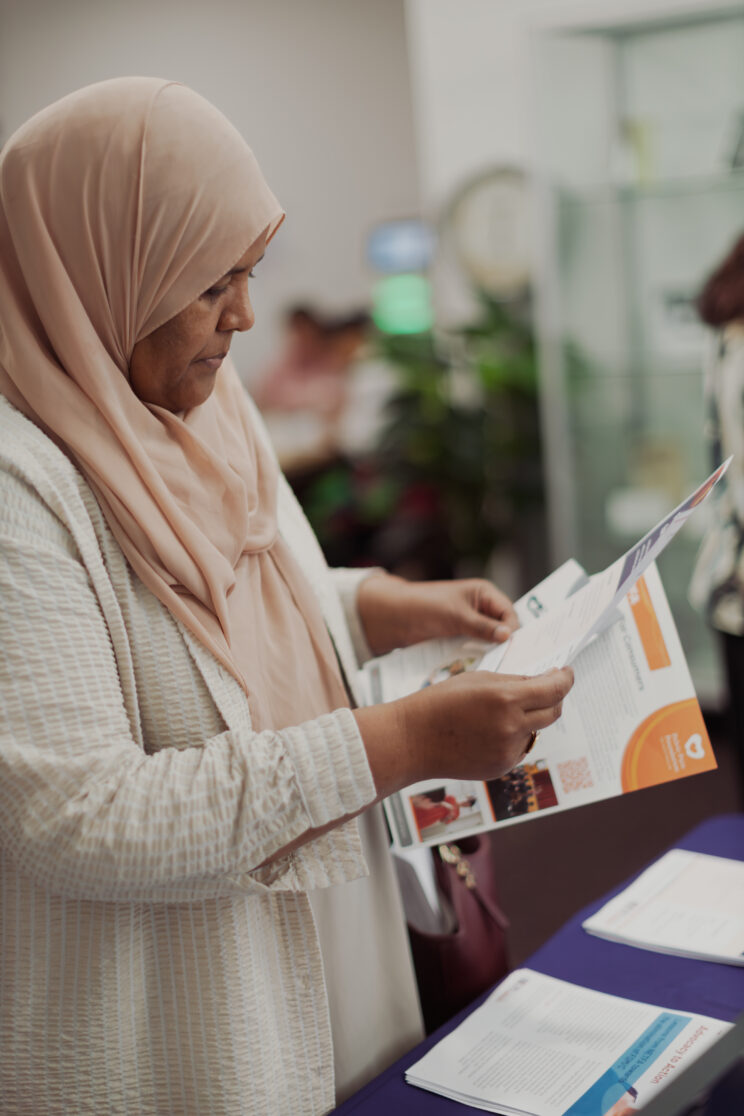
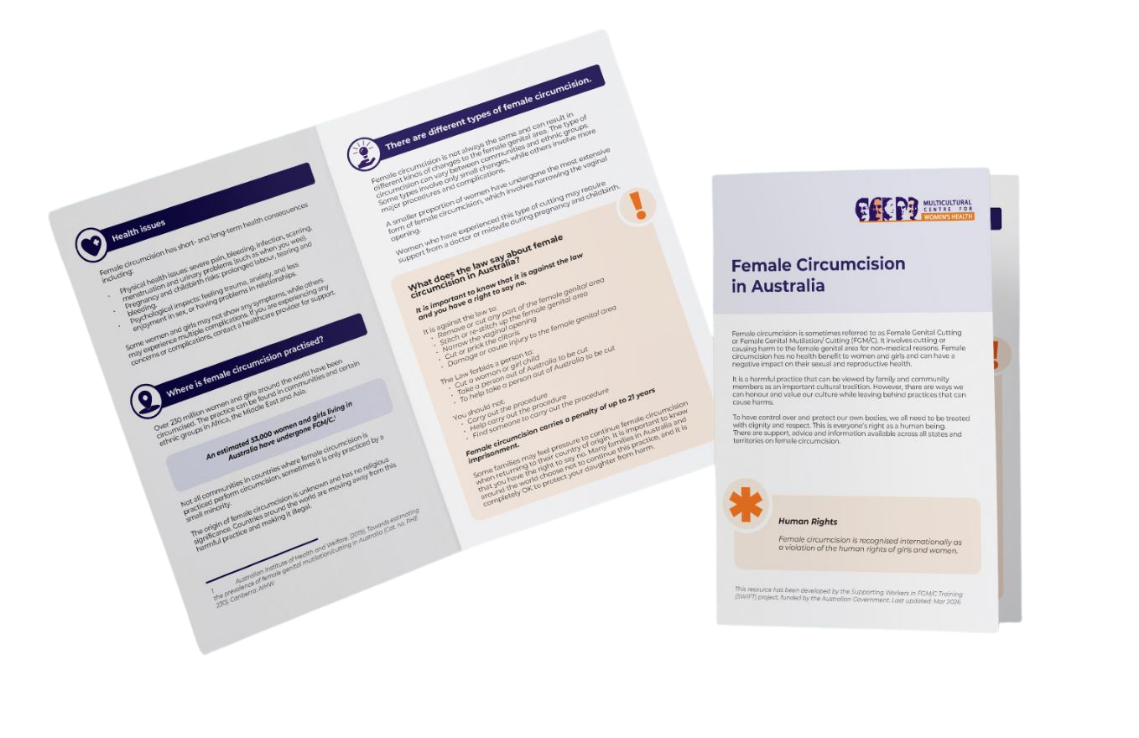
SWIFT also developed a community resource: an FGM/C information brochure available in English, Amharic, Arabic, French, Indonesian, Krio, Oromo, Somali, Swahili and Tigrinya. The brochure provides accessible information about FGM/C, including potential health impacts, Australian laws and available support services for women, girls and families.
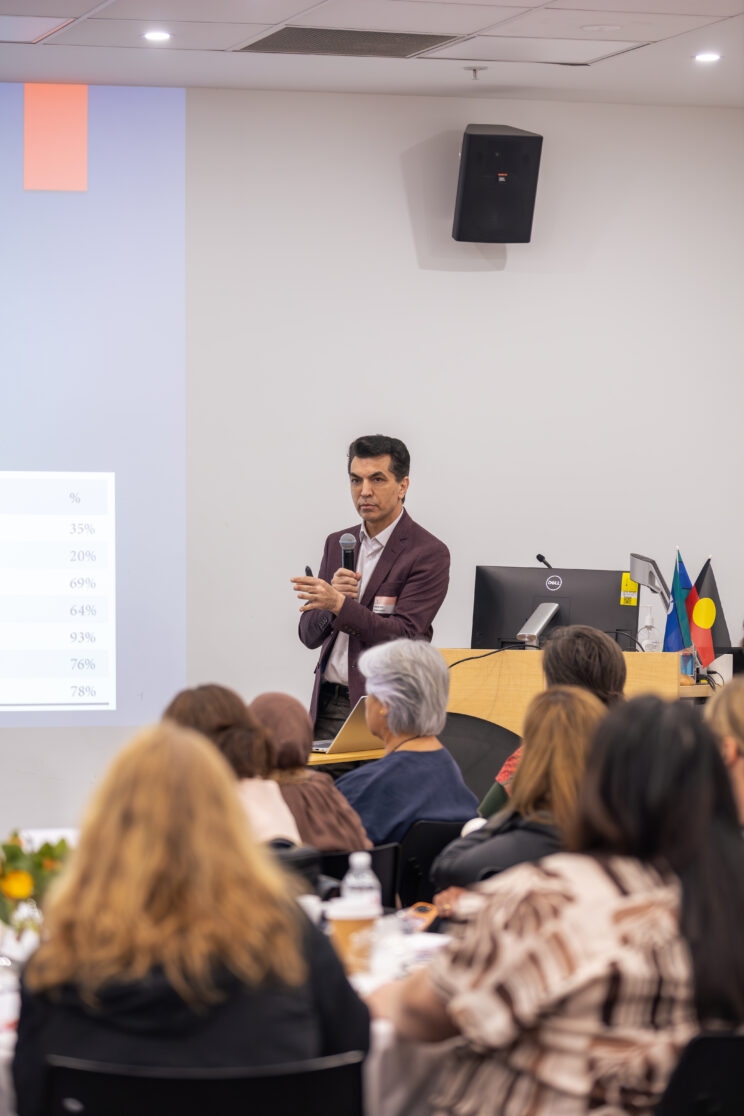
Alongside these resources, SWIFT delivered a national webinar for healthcare workers exploring why asking about FGM/C matters, how to raise the topic sensitively, and approaches to providing respectful, trauma-informed and culturally informed healthcare.
The webinar brought together leading voices in FGM/C prevention and care, including Juliana Nkrumah AM, Acting Head of Women and Gender Equity at Settlement Services International; Intesar Homed, FARREP Officer at Mercy Health; and Monica Diaz, Advanced Midwife and Nurse Consultant with extensive experience in FGM/C clinical care, workforce education and health system leadership.
From knowledge to connection
"We're finding that clinicians really struggle to have those sensitive conversations with women in particularly because there aren't any standardized education programs in Australia. A lot of the states and territories, they feel that the problem is just theirs without realizing that it's an actual national issue. What SWIFT has done is look at that and say let's bring it all together as part of like a multidisciplinary community.” Monica Diaz, Midwife/Nurse
Health workers often want to provide the best possible care for women and girls affected by FGM/C but may lack opportunities to access specialised training, resources or peer support.
SWIFT bridges this gap by bringing together health professionals from across Australia to share knowledge, ask questions and learn from one another. Through training, resources and the national Community of Practice, SWIFT creates a space where health workers can build confidence and strengthen their ability to respond with compassion, respect and cultural safety.
“SWIFT has brought people together in this national group which is absolutely critical to have conversations to learn from each other and build capacity though that” Professor Angela Dawson, Associate Dean Research
