
Health in My Language

Health in My Language (HIML) is a national initiative led by the Multicultural Centre for Women's Health (MCWH) to ensure migrant and refugee communities across Australia can access trusted, culturally relevant health information in their preferred language.
The program began in 2022 as a national response to barriers to COVID-19 vaccine information and uptake. Since then, it has grown into Australia's largest bilingual health education initiative, expanding to include sexual and reproductive health, cancer screening and mental health. Funded by the Australian Government, Health in My Language continues to address some of the most significant barriers migrant and refugee communities face when accessing health information and healthcare services.
What makes Health in My Language unique is its nationally coordinated approach. Rather than delivering standalone health education sessions, the program invests in a skilled bilingual health educator workforce across Australia, ensuring communities have access to consistent, high-quality health education regardless of where they live.
National leadership
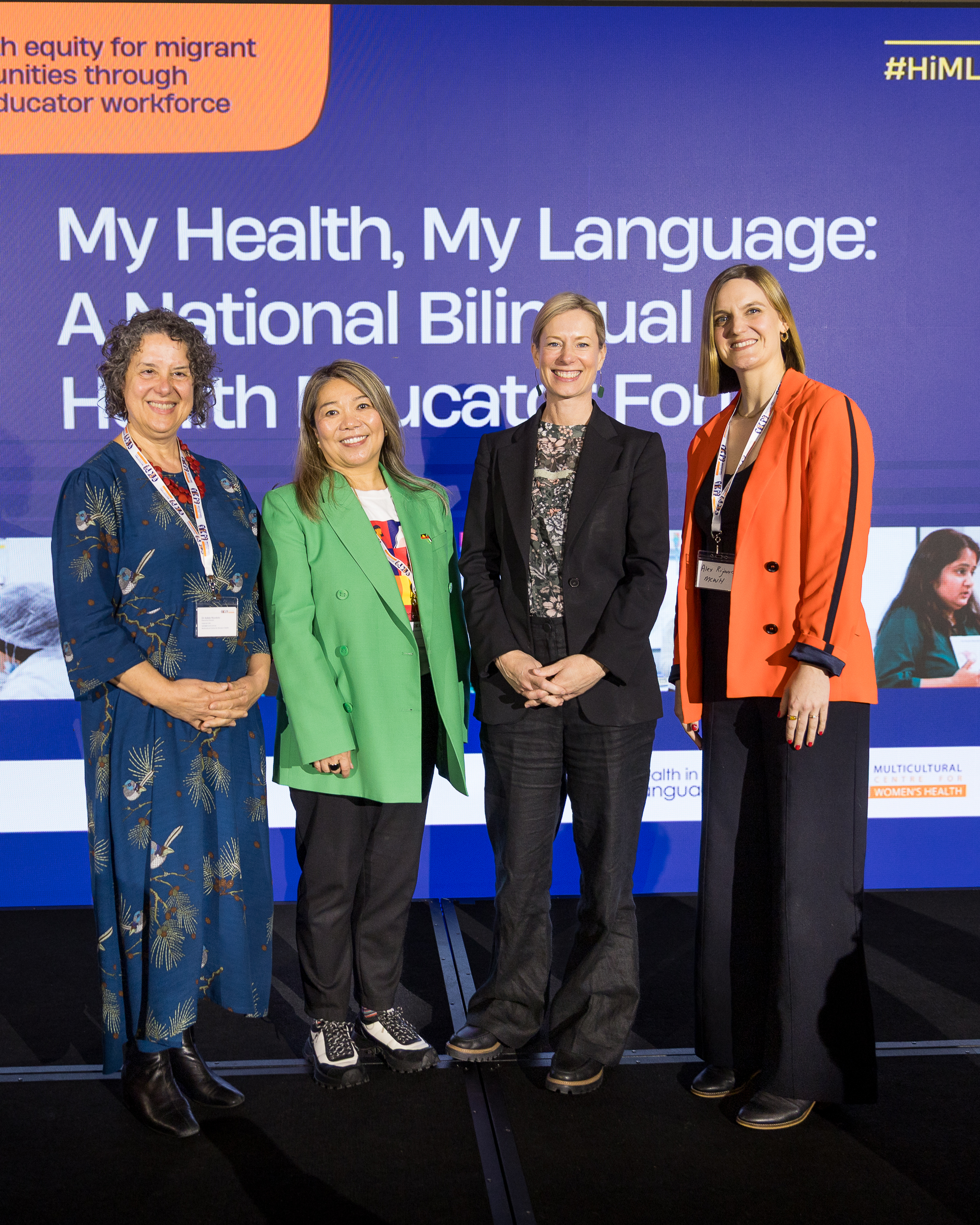
MCWH leads the national Health in My Language program, providing program design, workforce development, quality assurance and ongoing support to partners across every state and territory.
Through the MCWH Health Education Model, bilingual health educators receive accredited training that equips them with the knowledge, skills and tools to deliver effective health education within their communities. This means that whether a participant attends a session in Greek in Victoria, Thai in the Northern Territory or Arabic in South Australia, they can expect the same high-quality, evidence-based health education experience.
Throughout the year, MCWH continued to support the national workforce through training, mentoring, professional development and opportunities for shared learning and collaboration.
Local expertise
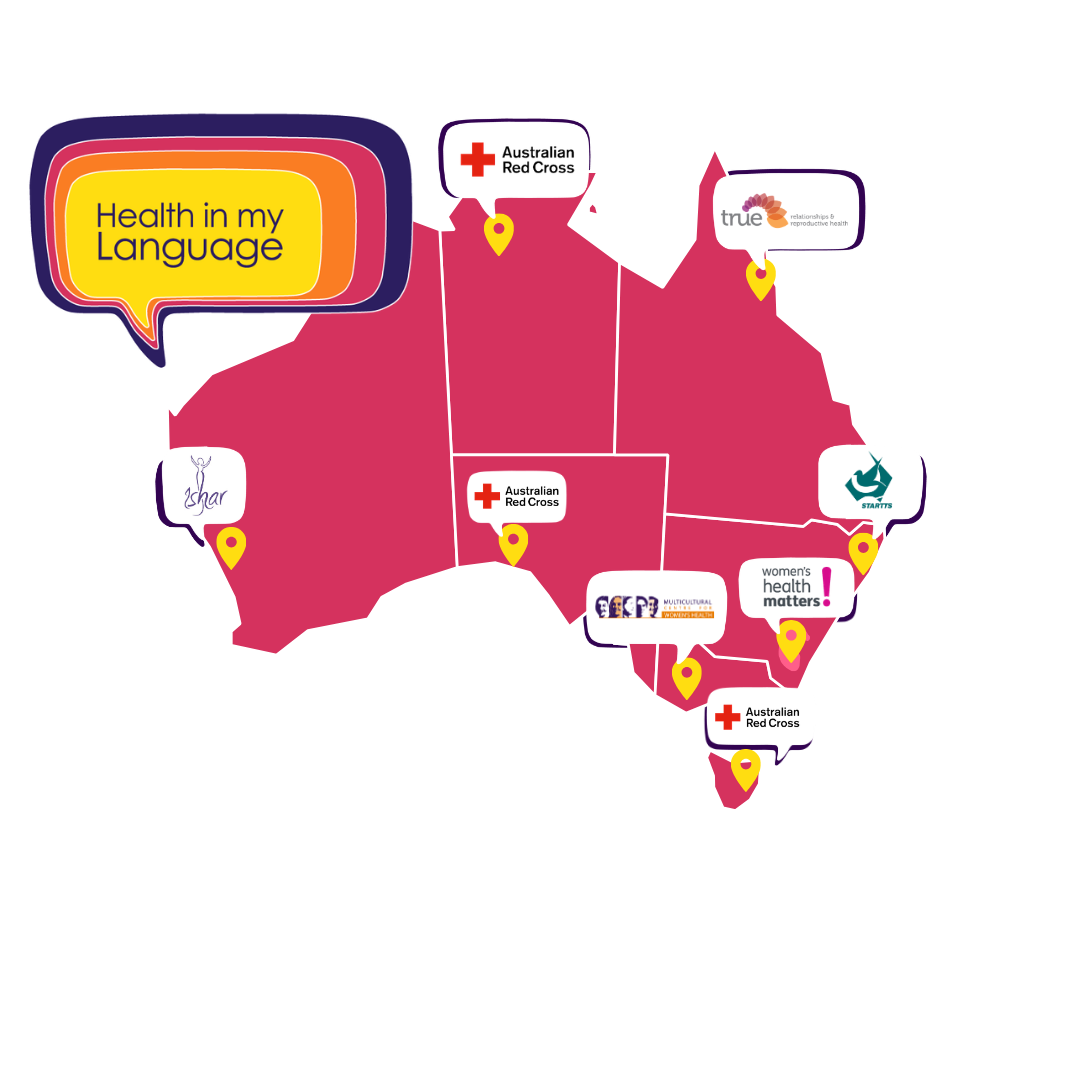
Health in My Language is delivered through a network of partner organisations across Australia, each with strong relationships and deep connections to their local migrant and refugee communities.
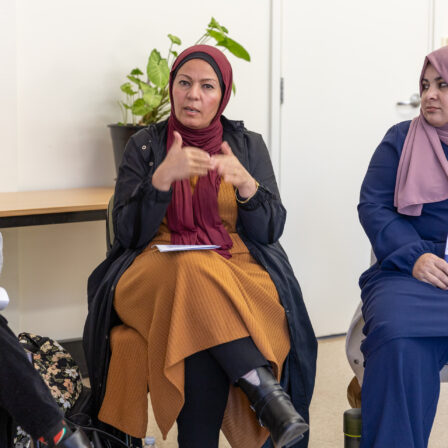
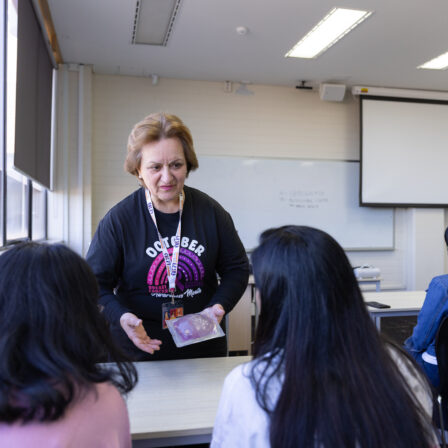
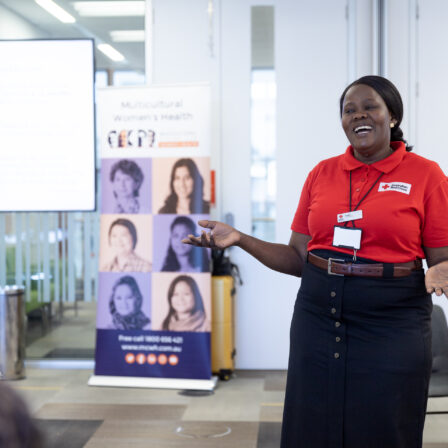
Bilingual health educators draw on their language skills, cultural knowledge and lived experience to deliver education that is culturally responsive, community-informed and trusted. This combination of national quality standards and local expertise allows health information to be tailored to community needs while maintaining consistency across the program.
Together, this national partnership model helps ensure communities receive information in ways that are accessible, meaningful and relevant to their everyday lives.
Expanding access to health information
During 2025–26, Health in My Language continued to provide education on sexual and reproductive health topics including contraception, safer sex, pregnancy choices and menopause, while expanding to include mental health and lung, cervical and breast cancer screening.
The introduction of new topic areas reflected the evolving health priorities identified by communities and partners. By broadening the program's focus, Health in My Language helped more people access information on issues that are often difficult to discuss, poorly understood or surrounded by stigma.
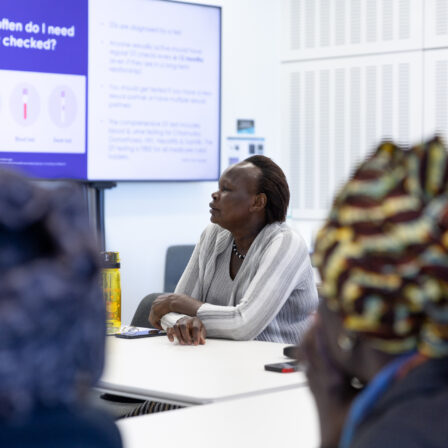
Across Australia, bilingual health educators created safe spaces for participants to ask questions, share experiences and build confidence in navigating the health system. Through trusted conversations delivered in language, the program continues to support people to make informed decisions about their health and wellbeing.
Health in My Language is only possible because of the expertise, leadership and commitment of our partner organisations and bilingual health educators, who understand their communities best and play a critical role in building trust, connection and health literacy.
At its heart, Health in My Language recognises that everyone deserves access to health information they can understand and trust. By centring community knowledge and lived experience, the program is helping
Health in My Language session participant
Back in my home country, we usually only go to the doctor when we are very sick or when something does not feel right. Preventive health checks or cancer screenings are not something people talk about openly. I learned about cervical cancer and its screening program. After attending the HIML session, I became much more conscious about my own health [and] the session encouraged me to seriously think about doing the cervical screening test myself
One Workforce, One Vision
“Without [a] bilingual workforce, migrant and refugee women cannot access information”. - Bilingual health educator from the Health in My Language forum discussions
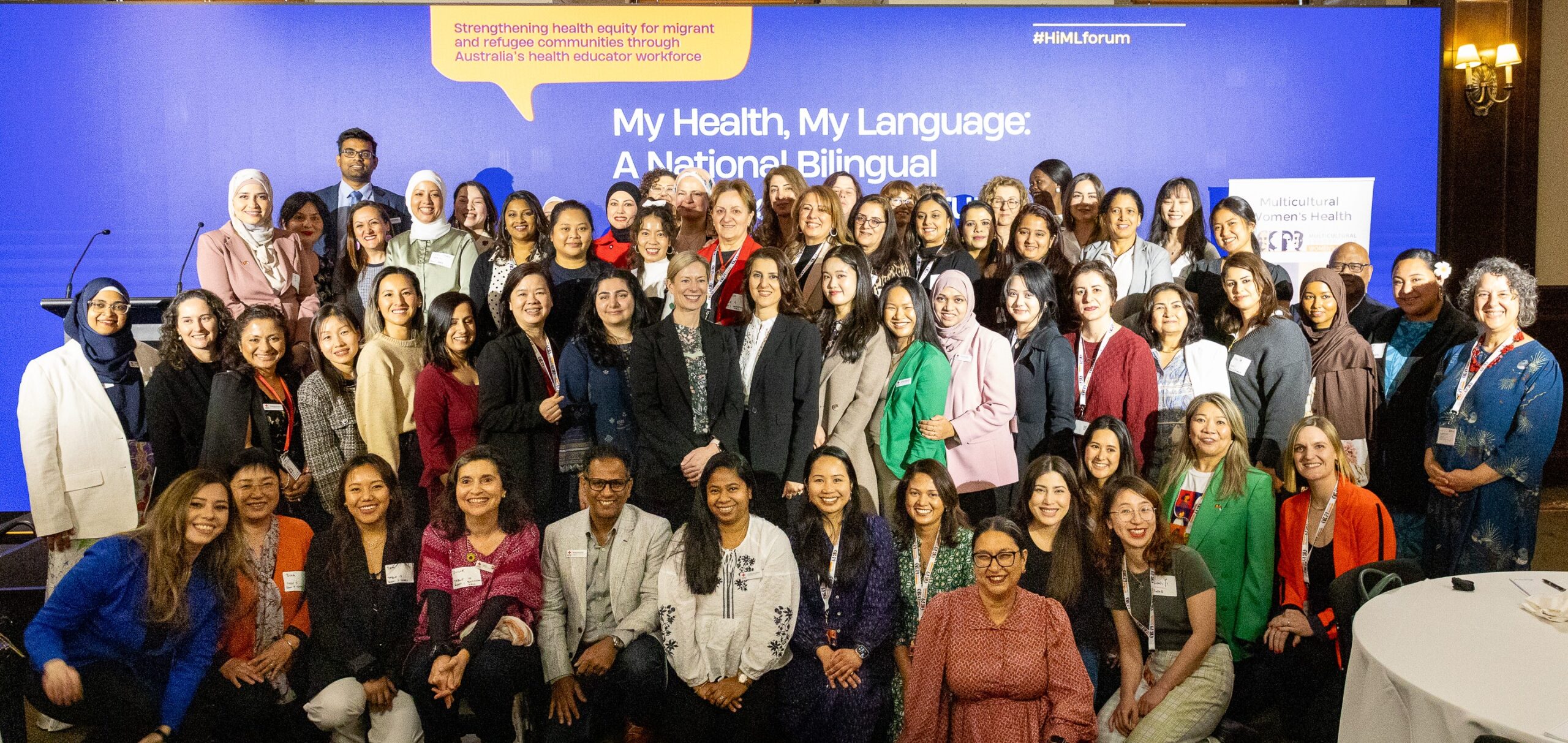
Over the past four years, Health in My Language has delivered in-language health education to more than 70,000 attendees across every state and territory through a skilled workforce of bilingual health educators. While educators have spent years connecting online to train, learn and share experiences, this year marked an important milestone: the first national gathering of the Health in My Language workforce.
Held in Naarm (Melbourne), the My Health, My Language Forum brought together bilingual health educators, partner organisations, funders and advocates from across Australia to celebrate achievements, share learnings and discuss the future of bilingual health education. The forum also launched the Health in My Language Evaluation Report and informed advocacy priorities aimed at strengthening and sustaining this essential workforce.
The forum reinforced a key message: bilingual health educators are not simply translators of health information. They are trusted community leaders who bridge gaps between communities and health systems, helping people understand their rights, access services and make informed decisions about their health. As the program evaluation demonstrates, their impact extends far beyond individual sessions, creating stronger health literacy, greater confidence and more equitable health outcomes for communities across Australia.
"Before I started the HIML sessions, I was anxious and overwhelmed whenever I thought about using the healthcare system. I had never attended any health education programs before and due to language barriers… I had no idea how to ask for help or navigate the health system… It left me feeling unsure, isolated, and disconnected from taking care of my health. Today, I feel much more comfortable and confident when using health services. The knowledge I gained gave me the courage to overcome my past hesitations and encouraged me to go to the clinic” - Health education session participant
